The Tik Toker’s Samiya Hijab Case
The case of Samiya Hijab, a popular TikToker known for her modest fashion and lifestyle content, has exploded from a private nightmare into a national conversation about digital violence, women’s safety, and the slow wheels of justice in Pakistan. What began with a maliciously leaked private video has spiraled into a complex legal saga involving abduction, blackmail, and a high-stakes battle against powerful accused individuals.
What Led to the Case: A Violation of Privacy
The ordeal began when a deeply private and intimate video of Samiya was stolen and maliciously leaked online without her consent. This initial act of digital violation was not an isolated incident but the opening salvo in a campaign of harassment and blackmail.
Reports indicate that following the leak, Samiya was subjected to intense online bullying, slut-shaming, and threats. However, the situation escalated terrifyingly from the digital to the physical realm. She was allegedly abducted by a group of individuals linked to the leak. According to the First Information Report (FIR) and her family’s statements, the abductors held her against her will, subjected her to further harassment, and likely threatened her to either silence her or extract more concessions.
This brazen act—moving from online blackmail to physical abduction—is what transformed the case from a cybercrime into a grave matter of physical safety and criminal intimidation.
The Legal Battle: Charges, Accusations, and Courtroom Drama
The legal response to this case has been swift in some aspects and fraught with the delays typical of high-profile cases in Pakistan.
1. The FIR and Charges Filed:
Samiya’s family filed a detailed FIR against multiple accused, including the prime suspect, Noman Langah (also known as Noman Lashari), who is reported to be a member of a influential political family in Punjab. The charges are severe and extensive, including:
- Abduction (Kidnapping under the Pakistan Penal Code)
- Blackmail and Criminal Intimidation
- Defamation
- Cybercrime related to non-consensual sharing of intimate images (under the Prevention of Electronic Crimes Act – PECA)
- Sexual Harassment
2. The Key Accused and Remands:
The central accused, Noman Langah, was arrested after a dramatic manhunt. His arrest was followed by a series of physical remands, where the police requested and were granted permission by the court to keep him in their custody for interrogation. During these remand periods, the investigating agency (likely the Federal Investigation Agency’s Cybercrime Wing or local police) claimed to have extracted crucial information and identified other accomplices.
The legal proceedings have seen multiple hearings, with Langah’s defense applying for bail repeatedly. For a significant period, his bail petitions were rejected by lower courts, which cited the gravity of the charges and the need for a thorough investigation. However, in a recent and controversial turn of events, a sessions court in Lahore granted him post-arrest bail, a decision that has been met with significant public outcry and disappointment from Samiya’s camp. The prosecution is likely to challenge this bail decision in a higher court.
3. The Evidence:
The case is reportedly built on a strong chain of evidence, which includes:
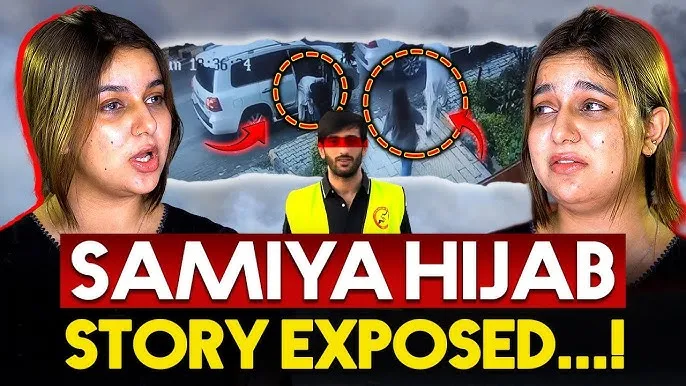
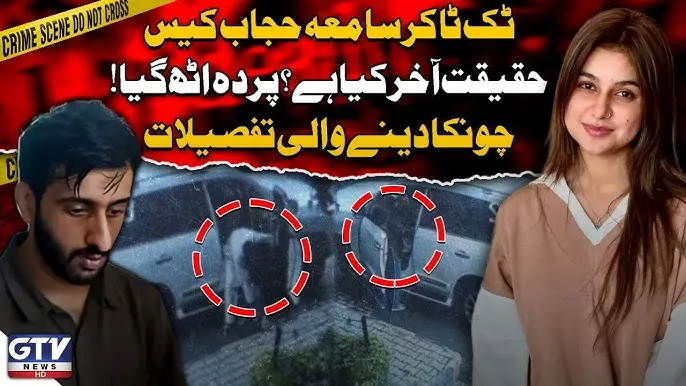
- CCTV Footage: Crucial video evidence that allegedly places the accused at the scene of the abduction and shows the sequence of events.
- Digital Forensics: Data extracted from mobile phones, including messages, call records, and digital trails linking the accused to the leak and the blackmail attempts.
- Statements from Samiya and Witnesses: Detailed testimonies outlining the timeline of harassment, abduction, and blackmail.
- The FIR itself: Which lays out the entire narrative of the crime as reported by the victim’s family.
Samiya’s Response: Courage in the Face of Adversity
Throughout this harrowing experience, Samiya Hijab has shown remarkable resilience. After securing her release from captivity, she and her family have pursued legal action with determination.
- Public Statements: She has made limited but powerful public statements, primarily through her legal counsel and occasional social media posts. She has expressed gratitude for the public support and reiterated her faith in the justice system, while also acknowledging the immense mental and emotional toll the ordeal has taken.
- Coping and Protection: Reports suggest she is relying on her family for support and is receiving legal protection. Given the high-profile nature of the accused and the potential for backlash, concerns for her physical safety remain high. The court and police are presumed to have provided some level of security, though details are often kept confidential for her safety.
- A Voice for the Voiceless: By refusing to be shamed into silence and choosing to fight her case in the legal arena, Samiya has unintentionally become a symbol for countless women in Pakistan who face similar digital and physical harassment but lack the resources or courage to come forward.
Analysis: What the Samiya Case Reveals About Pakistan
The Samiya Hijab case is more than just a celebrity scandal; it is a microcosm of the challenges facing women and the legal system in the digital age.
- The Nexus of Digital and Physical Violence: This case starkly illustrates how online harassment is rarely confined to the digital world. It can quickly escalate to blackmail, extortion, and physical violence, making the need for robust cyber laws and their enforcement even more critical.
- The PECA Law: A Double-Edged Sword? The Prevention of Electronic Crimes Act (PECA) was invoked in this case. While it provides a legal framework to address cybercrimes, its application has often been criticized. This case tests its effectiveness in protecting victims of non-consensual pornography and online harassment.
- Influence vs. Justice: The fact that the main accused belongs to a politically influential family raises familiar questions about the equality of justice in Pakistan. The initial rejections of bail were seen as a positive sign, but the recent grant of bail has fueled perceptions that the powerful can often navigate the legal system to their advantage.
- The Urgent Need for Systemic Change:
- Faster Courts: The protracted nature of such cases re-traumatizes victims and allows accused individuals to leverage delays.
- Specialized Training: Police and judiciary need specialized training to handle cases of digital violence with sensitivity and technical understanding.
- Victim Protection: Stronger, more formalized witness and victim protection programs are essential to encourage more women to report crimes without fear of retaliation.
- Societal Shift: Ultimately, no law can be fully effective without a parallel societal shift that stops blaming victims and starts holding perpetrators accountable, regardless of their social status.
Conclusion
The battle for justice for Samiya Hijab is far from over. Every court hearing is being watched closely by activists, citizens, and countless silent victims. Her case has ripped open the facade and shown the brutal reality of digital misogyny and its real-world consequences. Whether it becomes a landmark case that drives genuine legal and social reform or another story of justice delayed and denied depends entirely on how the state institutions—the police, the judiciary, and the legislature—choose to respond. For now, Samiya’s courage continues to inspire a crucial national debate on the right to dignity and safety for every woman in Pakistan.